Baptism
-
St. Thomas Aquinas Church Zanesville
The core claim: Catholic art and architecture are instruments of worship that make invisible realities visible through crafted space, iconography, and sound. From early basilicas to contemporary parish churches, the built environment shapes sacramental life, catechesis, and communal identity. In Zanesville, this tradition is present in material choices, devotional imagery, and the patterns of liturgy that orient the faithful toward mystery.
Historical development and theological roots
Catholic aesthetics trace to late antiquity when Christian worship moved from house churches to basilicas, adopting Roman spatial logic while reorienting imagery toward incarnation and redemption. Medieval theology formalized the idea that created beauty participates in divine beauty. Scholastic thinkers, especially Aquinas, argued that sensible forms can elevate the intellect to God. That theological claim underpins why altars, stained glass, and sacred sculpture are not mere decoration but instruments of the liturgy. In the American Midwest, immigrant craftsmen and parish communities translated European models—Romanesque solidity, Gothic verticality, Renaissance order—into locally available materials like Ohio limestone, pressed brick, and mosaic tile.
Liturgical function, spatial organization, and acoustics
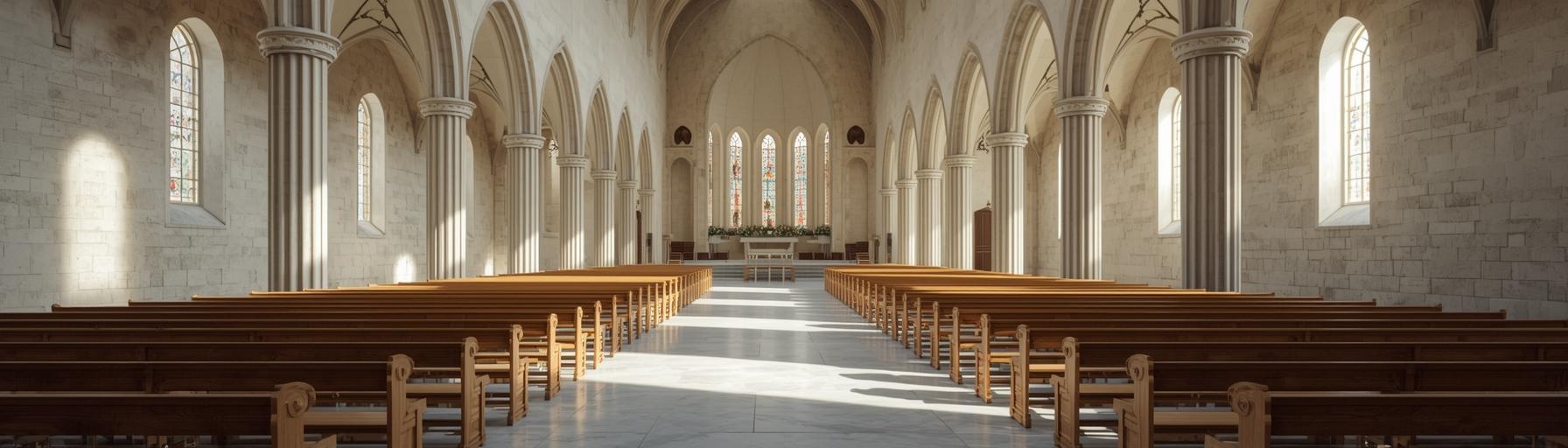
Church layouts are organized to serve worship actions: assembly, proclamation, Eucharist, and baptism. The nave collects the faithful; the sanctuary centers the altar and tabernacle; the ambon marks the Liturgy of the Word; side chapels allow private devotion. Acoustics and music are integral: pipe organs and choir lofts amplify chant and hymnody, but modern acoustic engineering also supports spoken proclamation after Vatican II liturgical reforms that emphasized active participation. In Zanesville, congregational singing, cantor-led psalmody, and organ repertoire reflect both diocesan norms from the Diocese of Columbus and local musical traditions.
Architectural elements and liturgical furnishings with local notes
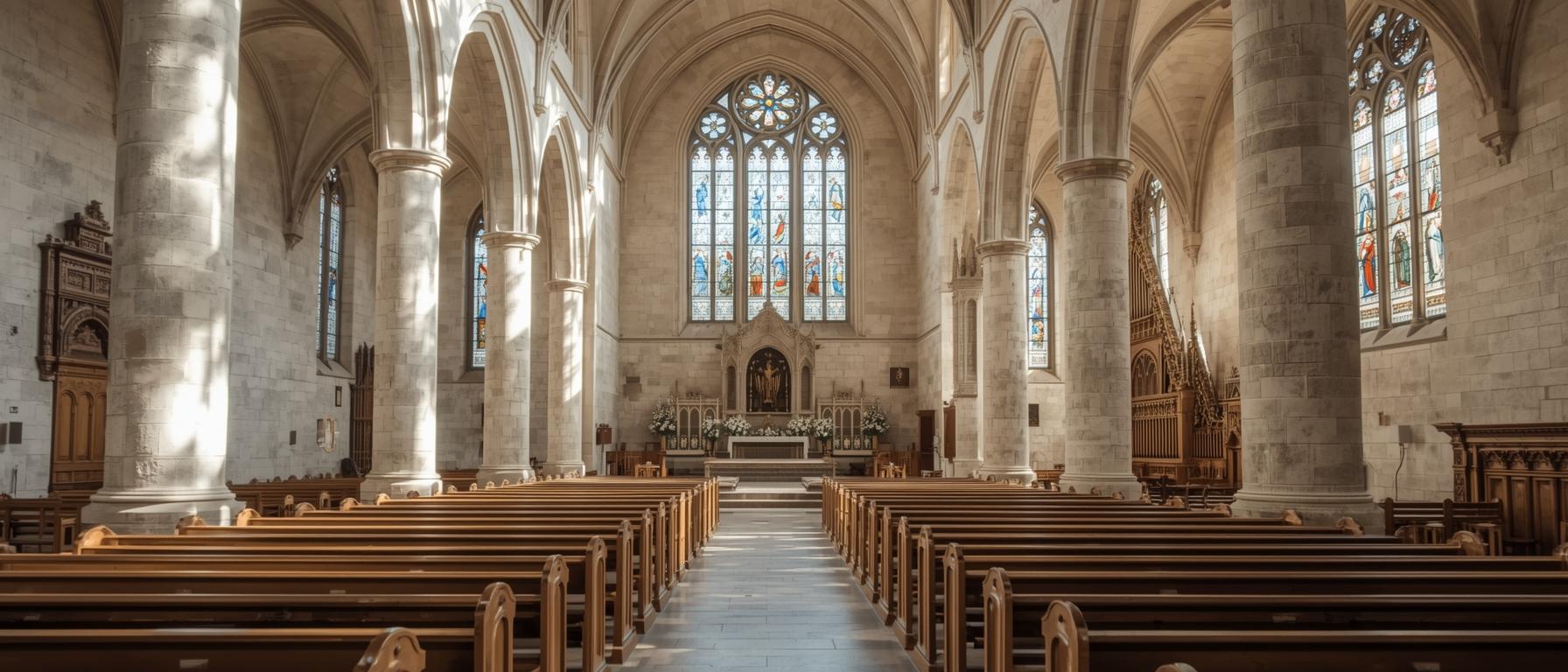
Architectural vocabulary—nave, transept, apse, sanctuary—carries functional and symbolic meanings. The altar is the center of sacrificial praise; the tabernacle houses the Real Presence; the baldachin or canopy marks eucharistic focal points; reredos provide iconographic backdrops. Baptismal fonts and ambones shape sacramental rites. The following provides comparative detail and examples as visible in many Midwestern parishes and specifically referenced at St. Thomas Aquinas in Zanesville.
Sacred imagery: stained glass, mosaics, frescoes, and sculpture
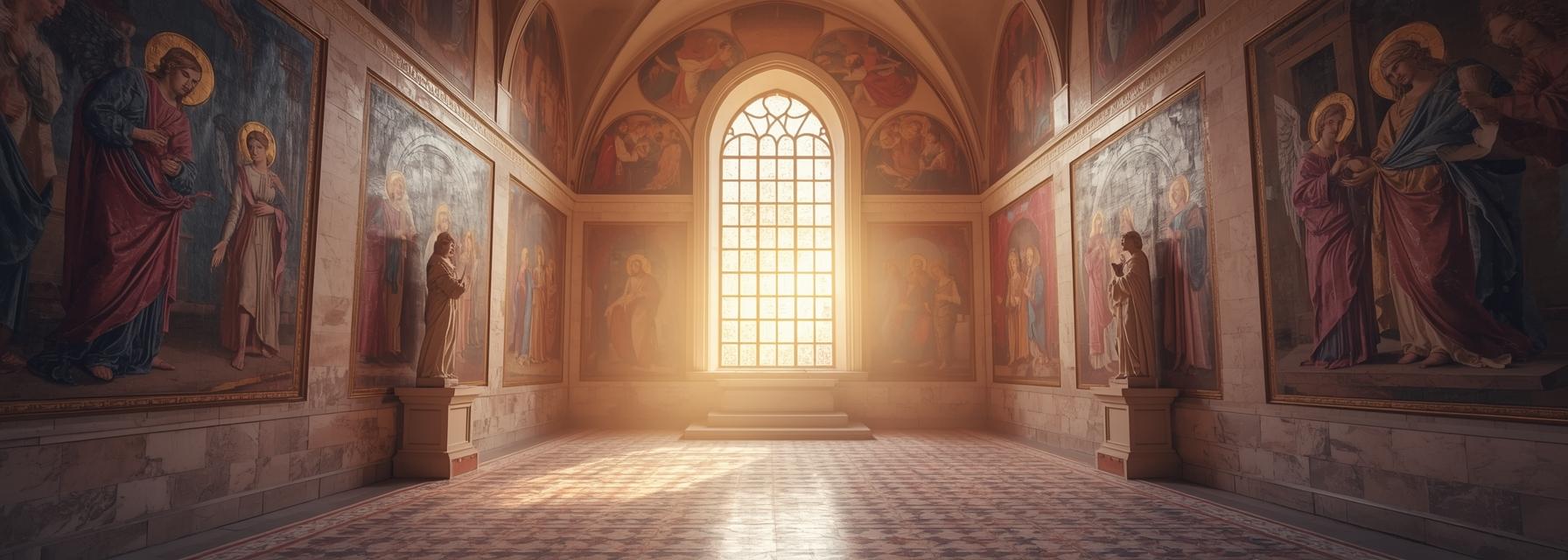
Techniques and themes carry theological intent. Leaded stained glass filters light into narratives: biblical scenes, saints, and sacramental theology. Mosaics use tesserae to create durable iconography; frescoes bind pigment to wet plaster for integrated surfaces. Sculptural programs, from relief reredos to free-standing statues, employ marble, plaster, or cast bronze to represent Christ, Mary, saints, and angels. In Zanesville, stained-glass windows often commemorate parish donors or local families, while sculptures may be products of diocesan commissions or regional ateliers.
Iconography follows canonical typology: Christ the Good Shepherd, Marian titles such as Our Lady of the Rosary, and Thomistic symbols like the sun and the book for St. Thomas Aquinas. Stations of the Cross, commonly carved or cast, provide penitential focus in Lent and daily devotion. Devotional images are chosen to connect local history with universal faith: veterans, immigrant founders, and diocesan saints appear alongside traditional scenes.
Historical styles and modern developments
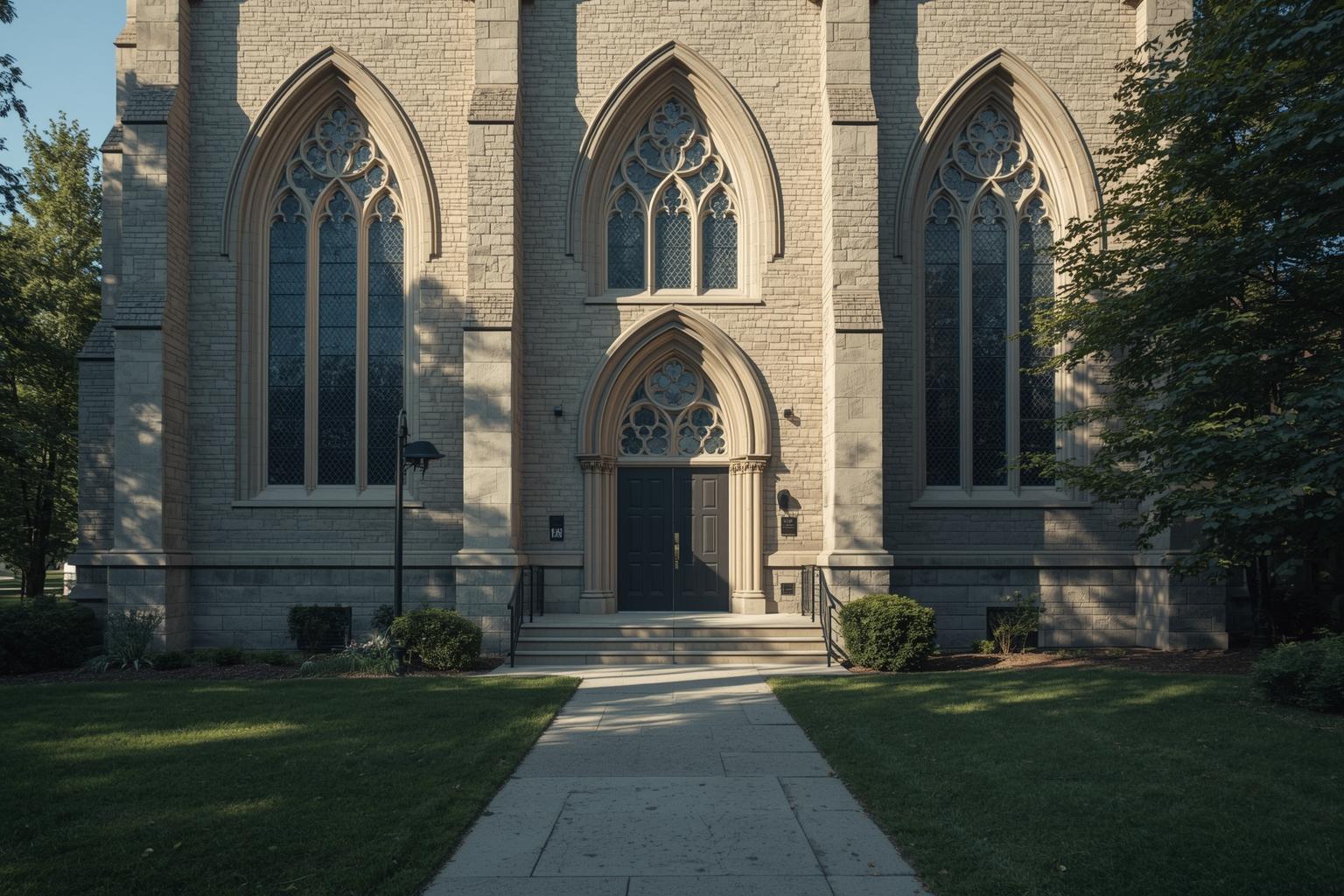
Romanesque and Gothic forms informed solidity and verticality; Renaissance and Baroque emphasized proportion, illusion, and theatricality. The 19th century saw Gothic Revival in many Ohio churches, while the 20th century introduced modern materials, simplified lines, and liturgical reconfiguration prompted by the Second Vatican Council. Vatican II encouraged active participation, clearer liturgical sightlines, and vernacular language. These changes led to freestanding altars, repositioned baptismal fonts, and reoriented seating in many parishes while still preserving historic art.
Preservation and restoration are ongoing priorities. Conservation in a parish context balances liturgical needs, budget constraints, and historical integrity. St. Thomas Aquinas collaborates with diocesan conservation resources and local craftsmen for stained-glass repair and stone cleaning, ensuring longevity of artworks while maintaining accessibility.
Community life, accessibility, and resources
Parish life links art and worship through liturgies, sacramental preparation, and educational programs. Regular catechesis uses church art as teaching tools; tours, school visits, and recorded homilies extend that mission. Accessibility improvements—ramps, assisted listening systems, tactile signage—allow full participation. Adaptive reuse of ancillary spaces supports outreach ministries without diminishing sacred character.
For those wishing to study further, diocesan archives, local historical societies in Muskingum County, and published works on American ecclesiastical architecture provide primary sources and images. When visiting, respect liturgical times, avoid intrusive photography during worship, and focus on details of craftsmanship: glazing techniques, joinery, and patina that tell the parish's living story.